

Radiographic Testing in Industrial Inspection
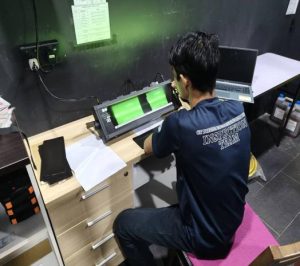 Radiographic Testing (RT) is a widely used non-destructive testing (NDT) method in industrial inspection that allows for the internal examination of materials and structures. By using X-rays or gamma rays, RT helps identify hidden flaws without damaging the object being tested. This makes it an essential quality control process in various industries, including oil & gas, aerospace, construction, and manufacturing.
What is Radiographic Testing?
Radiographic Testing involves the exposure of a component to a controlled source of radiation. The radiation passes through the material and is captured on a film or digital detector placed on the opposite side. Any discontinuities such as cracks, voids, or inclusions will appear as variations in the image, indicating possible internal defects.Types of Radiation Sources
- X-rays: Produced by X-ray machines and suitable for thinner materials or small components.
- Gamma rays: Emitted from radioactive isotopes such as Iridium-192 or Cobalt-60, used for thicker or denser materials.
How Does RT Work?
The RT process generally includes the following steps:- Preparation: The component is cleaned and properly positioned between the radiation source and detector.
- Exposure: A specific dose of radiation is applied for a controlled period to capture the internal structure.
- Development: For film-based RT, the film is developed in a darkroom. For digital RT, images are processed using specialized software.
- Evaluation: A certified radiographic interpreter reviews the image to identify and classify defects based on industry codes and standards.
Advantages of Radiographic Testing
- Detects both surface and subsurface defects
- Provides permanent image records for future reference
- Applicable to a wide range of materials and thicknesses
- Non-contact and non-destructive nature
- Accurate and reliable for volumetric defect detection
Radiographic Testing in Industrial Inspection
Radiographic Testing is essential in ensuring structural integrity and compliance with safety standards. Common use cases include:- Weld inspection in pipelines, pressure vessels, and structural components
- Castings and forgings defect evaluation
- Aerospace components internal damage analysis
- Nuclear and power plant equipment safety inspections
Safety Considerations
Since RT involves the use of ionizing radiation, strict safety protocols must be followed. Trained and certified personnel must handle the equipment, and proper shielding, dosimetry, and exposure control must be ensured to protect both workers and the environment.Conclusion
Radiographic Testing (RT) remains one of the most reliable and effective methods for internal defect detection in industrial settings. With advancements in digital radiography and improved imaging technologies, RT continues to evolve and play a critical role in quality assurance and asset integrity management.Online Catalog
The Highest Quality
THE LARGEST METALS MANUFACTURING
Lorem ipsum dolor sit amet, consectetur adipiscing elit. Sed imperdiet libero id nisi euismod, sed porta est consectetur.
Lorem ipsum dolor sit amet, consectetur adipiscing elit. Sed imperdiet libero id nisi euismod, sed porta est consectetur. Vestibulum auctor felis eget orci semper vestibulum. Pellentesque ultricies nibh gravida, accumsan libero luctus, molestie nunc. In nibh ipsum, blandit id faucibus ac, finibus vitae dui.

