Checklist Before DOSH CF Renewal Malaysia
Renewing the DOSH Certificate of Fitness (CF) for boilers and pressure vessels is a legal requirement in Malaysia. Many companies wait until the DOSH officer arrives, only to discover missing calibration records, incomplete thickness data, or unverified remaining life calculations. This can delay operations and increase costs. By following a structured pre-inspection plan, you can ensure that DOSH pekala when reviewing your equipment and documentation. Here is a complete preparation guide.1. Pressure Safety Valve Calibration
Pressure Safety Valves (PSV) are the first defense against dangerous overpressure events. Before any DOSH CF renewal, all safety valves should be tested and calibrated by accredited professionals. Proper PSV calibration ensures each valve opens and reseats at the correct set pressure, protecting workers and equipment. Certificates from ISO-17020 approved facilities demonstrate compliance and keep your documentation audit-ready. Without valid PSV certificates, DOSH may halt the renewal process. Learn more about PSV Calibration services2. Pressure Gauge Calibration
Pressure gauges provide critical real-time data. If a gauge is inaccurate, operators might unknowingly run a vessel beyond safe limits. For DOSH inspection, every gauge must have up-to-date calibration records traceable to national or international standards. Accredited pressure gauge calibration verifies accuracy and confirms your monitoring instruments can be trusted. This step avoids non-compliance findings and prevents last-minute replacements or downtime. Learn more about Pressure Gauge Calibration services3. Ultrasonic Thickness Testing
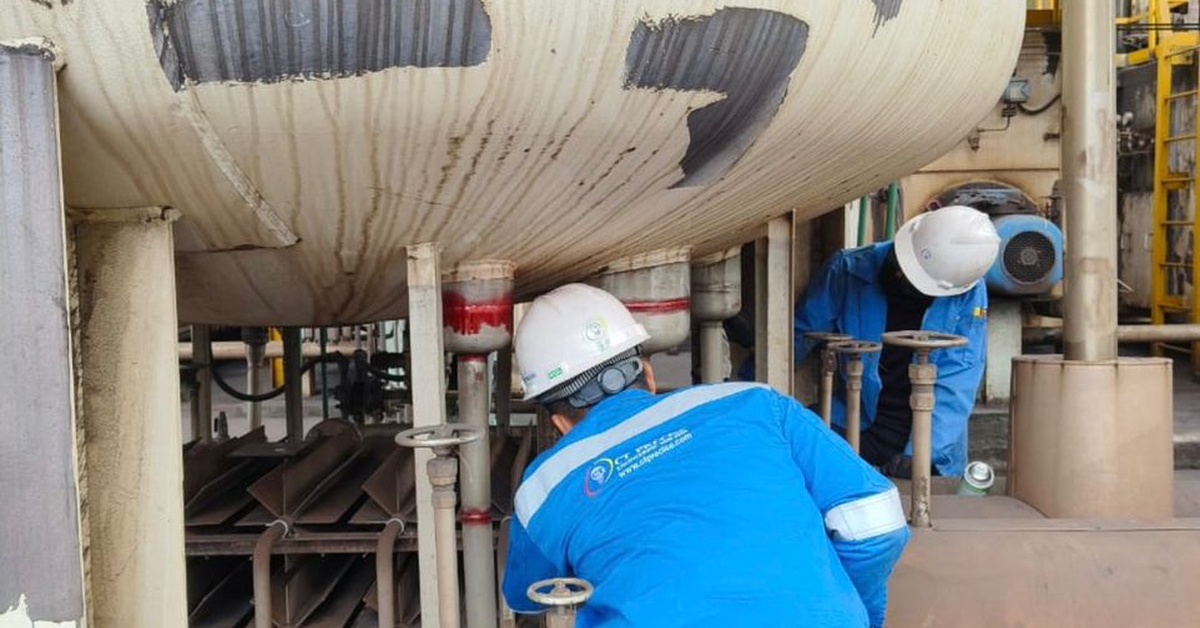
Boiler and pressure vessel walls gradually lose material due to corrosion and erosion. DOSH officers will check remaining thickness against minimum design requirements. Ultrasonic thickness testing provides precise measurements of metal loss and helps you plan repairs or replacements ahead of time. Data collected also supports the engineering assessment of the vessel’s safe life and next inspection interval. Doing this early avoids costly emergency work if unexpected thinning is discovered during DOSH inspection. Learn more about Ultrasonic Thickness Testing services4. Surface Defect Inspection (Magnetic Particle or Dye Penetrant)
Cracks, porosity, and welding defects can compromise vessel integrity even when wall thickness appears acceptable. Surface inspection is essential. For carbon steel and ferromagnetic parts, Magnetic Particle Inspection is effective. For stainless steel and non-ferrous alloys, Dye Penetrant Inspection is ideal. These methods reveal hidden flaws before they become critical safety hazards. Having certified NDT reports ready ensures the DOSH officer sees that all welds and surfaces have been verified by qualified technicians. Learn more about Dye Penetrant Inspection services5. API 510 Inspector Review & Remaining Life Calculation
Once all calibration and NDT work is complete, an API 510 inspector should review the findings. This expert engineering evaluation consolidates PSV and gauge calibration results, wall thickness data, and surface inspection outcomes. The API 510 inspector calculates the remaining life of the vessel, defines the next inspection interval, and determines whether repairs or alterations are necessary. DOSH officers place high value on API 510 certified reports because they follow internationally recognized standards and provide reliable safety assessments. Learn more about API 510 Inspection services6. Final Documentation & Scheduling DOSH CF Renewal
After all steps are complete, compile your full compliance package. Include PSV calibration certificates, gauge calibration records, ultrasonic thickness test reports, surface inspection documents, and the API 510 remaining life calculation. Presenting this to DOSH before their site visit shows readiness and professional management. When documentation is clear and complete, the DOSH officer can quickly verify safety compliance — making the CF renewal straightforward and often faster.Why Early Preparation Pays Off
Pre-inspection work prevents operational interruptions and unplanned expenses. Instead of discovering non-compliance during the official visit, you control the timeline and make necessary fixes proactively. It also protects your reputation by showing regulators that your team values safety and compliance.CT Precise Engineering — Your One-Stop Solution
CT Precise Engineering Sdn Bhd simplifies DOSH CF renewal by providing all the required services under one roof. As an ISO-17020 accredited inspection company in Malaysia, we offer:- Pressure Safety Valve Calibration
- Pressure Gauge Calibration
- Ultrasonic Thickness Testing
- Dye Penetrant and Magnetic Particle Inspection
- API 510 Inspection & Remaining Life Assessment
Contact CT Precise Today
Prepare confidently for your next DOSH inspection and CF renewal. 📧 sales@ctprecise.com 📞 +60 111 683 5616 🏢 A-251, Jalan Air Putih, Kuantan, Pahang, 25300, MalaysiaThe Highest Quality
THE LARGEST METALS MANUFACTURING
Lorem ipsum dolor sit amet, consectetur adipiscing elit. Sed imperdiet libero id nisi euismod, sed porta est consectetur.
Lorem ipsum dolor sit amet, consectetur adipiscing elit. Sed imperdiet libero id nisi euismod, sed porta est consectetur. Vestibulum auctor felis eget orci semper vestibulum. Pellentesque ultricies nibh gravida, accumsan libero luctus, molestie nunc. In nibh ipsum, blandit id faucibus ac, finibus vitae dui.